
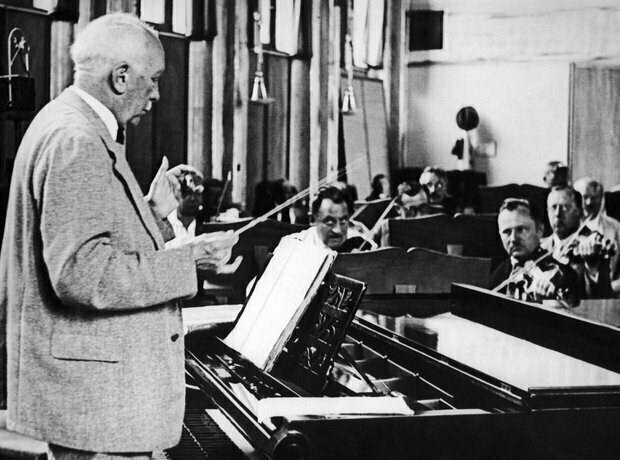
In his day, Franz Strauss was recognized as an important artistic personality. Foremost, he was a celebrated horn virtuoso, “breathing soul into the unthankful instrument.” Even Richard Wagner, against whom the musically conservative Strauss took literally every opportunity to make
Articles
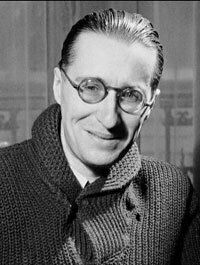
“I wish to be honest,” wrote Jean Françaix (1912-1997), “When I am composing, the finest theories are the last things that come to mind. My interest is not primarily attracted by the motorways of thought, but more the paths through
Play always as if the presence of a master– Robert Schumann The ability to self-critique, evaluate and reflect on one’s playing during practicing is a crucial skill for musicians, and is a component of the skillset of “deliberate practice”, which
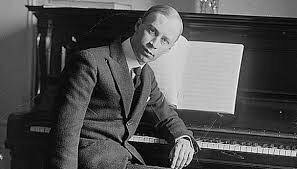
Sergei Prokofiev was still a student at the St. Petersburg Conservatory when he took the stage on 7 August 1912 to premier his 1st Piano Concerto. Since it was his first appearance with an orchestra, and expecting a rather large
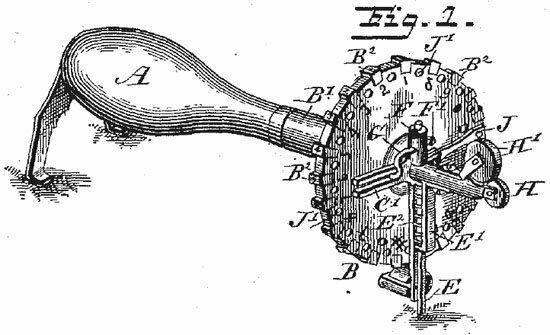
When Joseph Haydn was putting the finishing touches on a symphony during the later stages of his career, he dejectedly wrote. “The piece on which I am now working would have been already finished if it were not that my
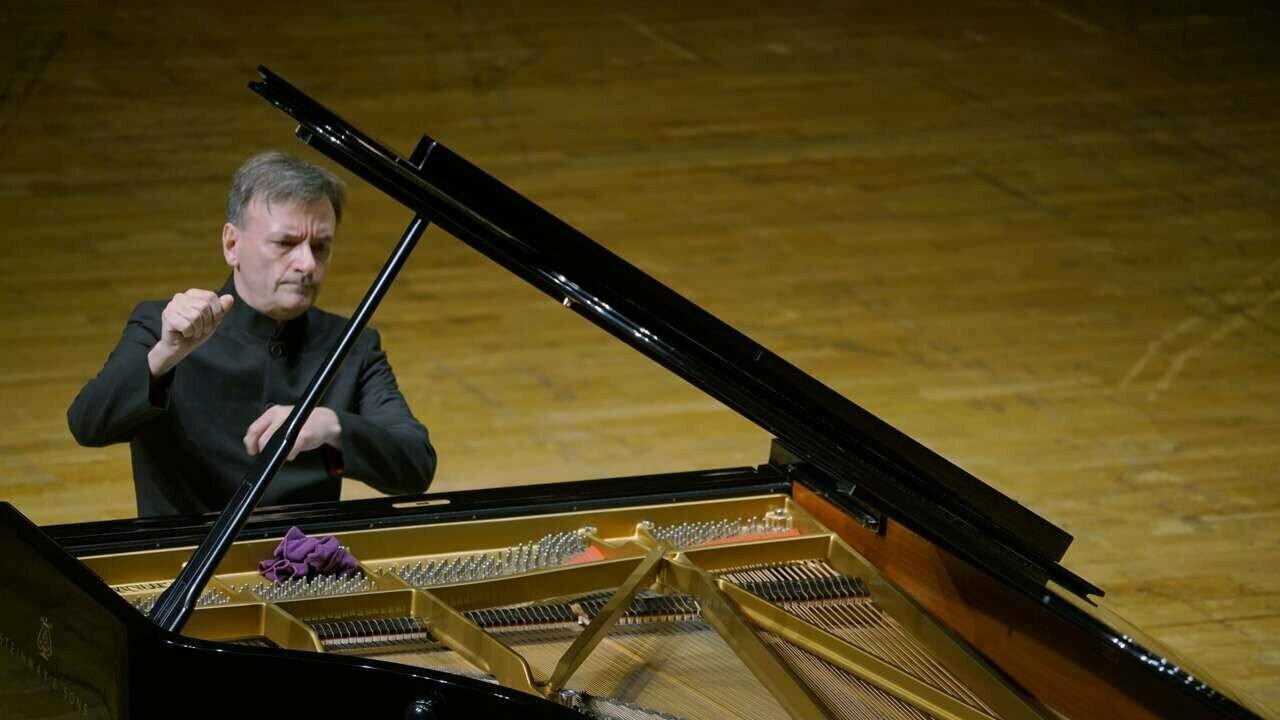
The psychological and emotional reasons why musicians perform and why we feel a need to connect and communicate with audiences is a broad and complex subject. For many musicians, performing is their raison d’être – the need, the will to
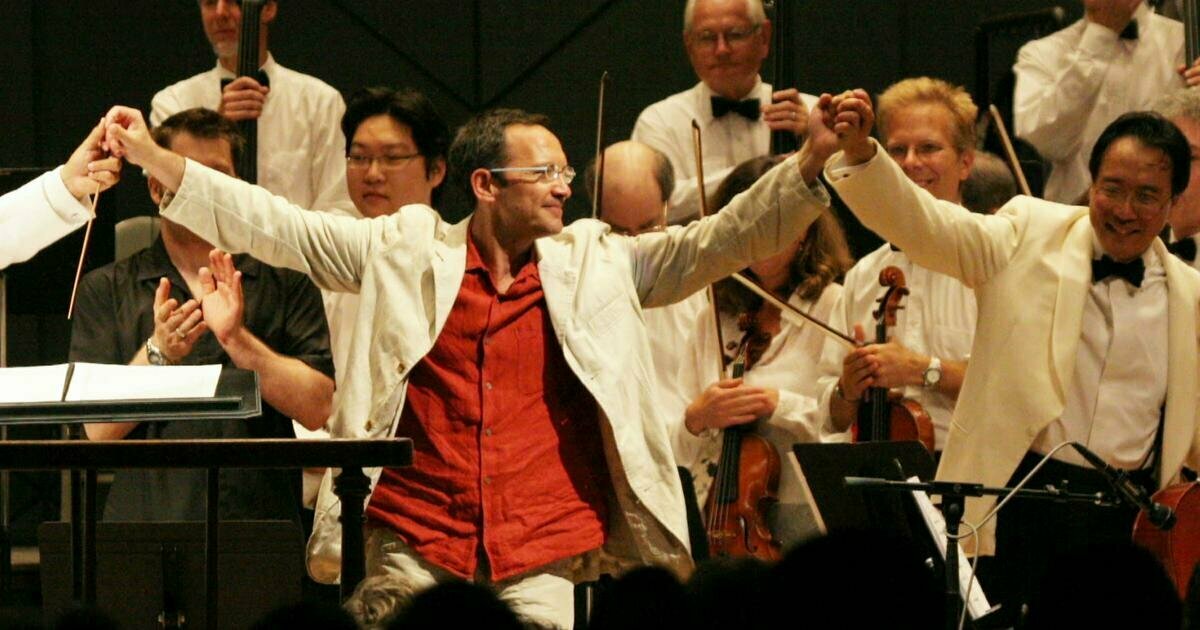
What do you get if one of classical music’s most beloved performers teams up with one of today’s most popular composers? It really is a no brainer, as Azul (the title means blue in Spanish) combines the collective imagination of