
As a concertgoer in Hong Kong and avid listener of contemporary music, I am sometimes disappointed with the programmes of orchestras in Hong Kong. Mahler, Strauss, Wagner… These names, which are part of the so-called “core repertoire” of orchestras, can
Articles
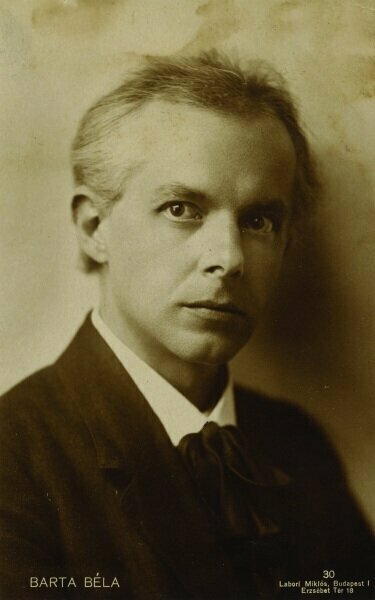
With Europe spiraling towards a massive war that would eventually devastate the continent, Béla Bartók gave voice to the general sense of anxiety and foreboding by starting work on his only opera in 1911. The libretto for the one-act Duke
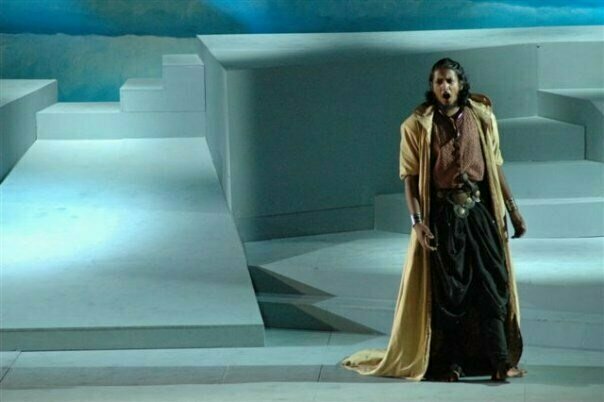
It all started with a workshop. My then teacher, Mr Pulinkala told me about an Italian conductor who was in Delhi to conduct a workshop concerning opera. Being skeptical as most 14-15 year olds would be, I went there imagining
Richard Strauss had reached the ripe old age of 84 when he decided to compose his musical last will and testament. Setting poetry by Joseph von Eichendorff and Hermann Hesse, the Four Last Songs emerged individually. When Strauss died on
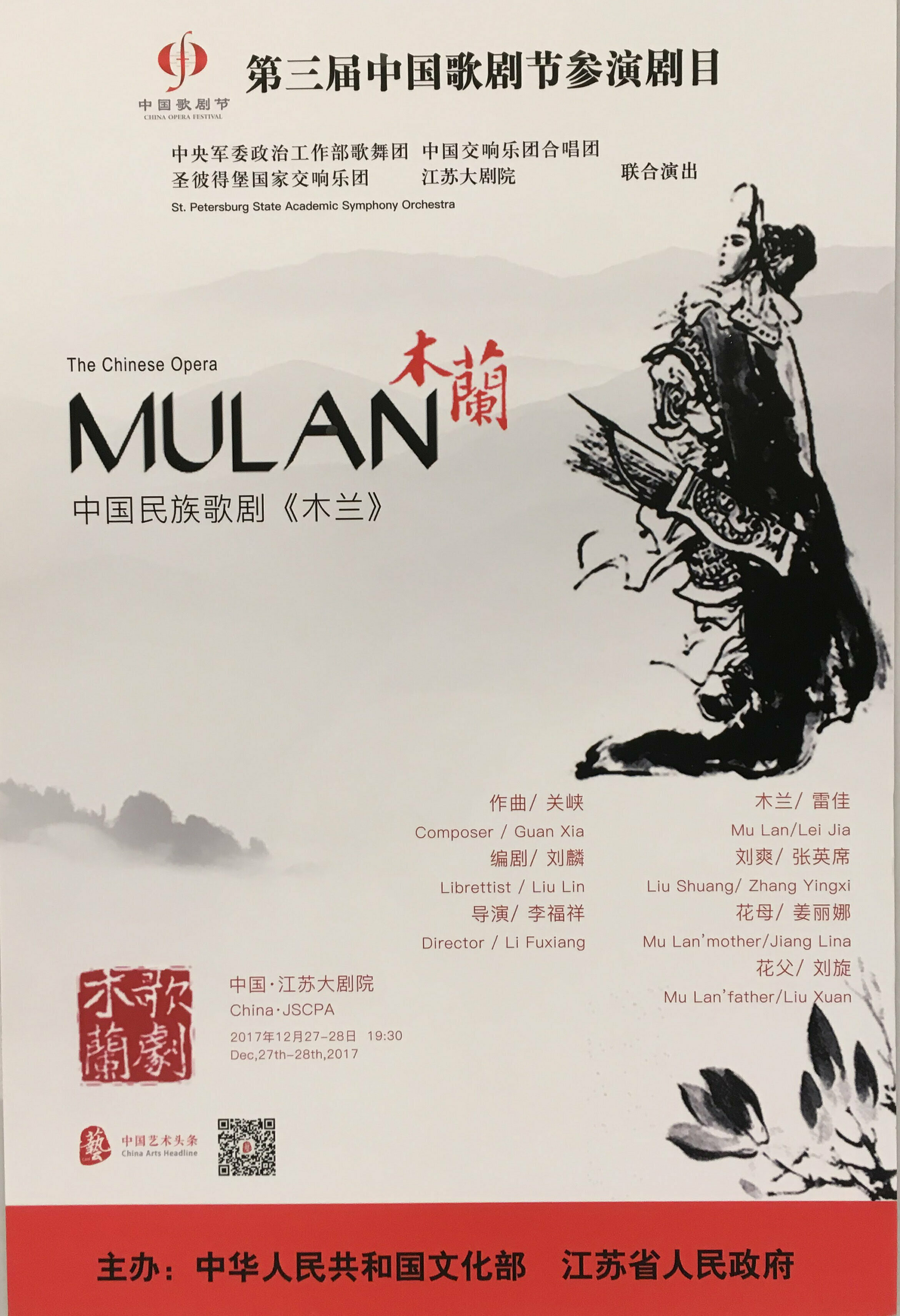
On a cold windy night of December 2017, I travelled from Shanghai to Nanjing on a secret mission. I was invited by an anonymous patron who would like me to pay a visit to the just inaugurated Jiangsu Centre for
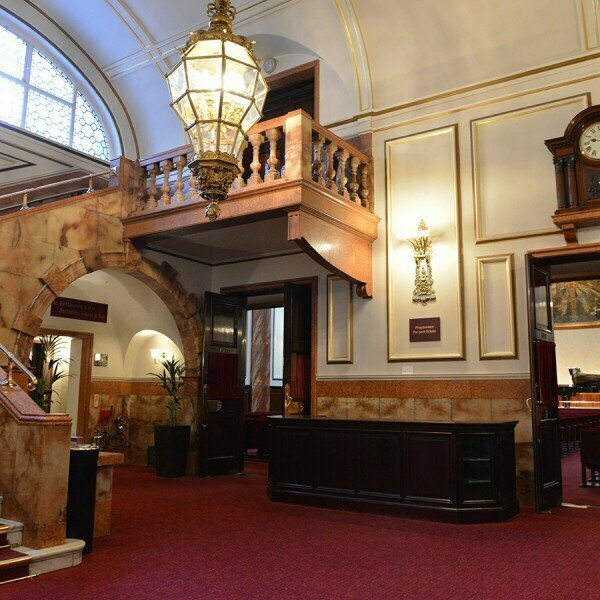
One of the secondary pleasures of going to live music in concert is “audience watching”. Different artists and repertoire attract different audiences, and I love observing audience behaviour before, during and after a concert. The ritual of concert going and
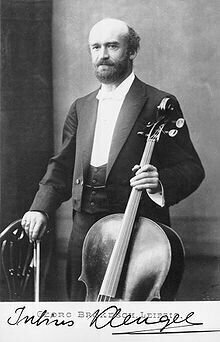
Like many other young cellists, I encountered Julius Klengel through his books of Technical Exercises in All Keys and his Daily Exercises. I wanted to play concertos not hours fixated on scales, arpeggios, and bowing exercises. But my father insisted,
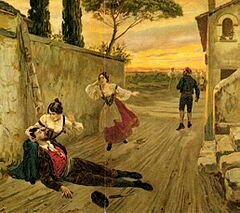
What do you get when you mix religiosity with sexual passion? Audiences got the answer on 17 May 1890 at the Teatro Costanzi in Rome. It was on that date that Pietro Mascagni’s one-act melodrama Cavalleria Rusticana saw its official