
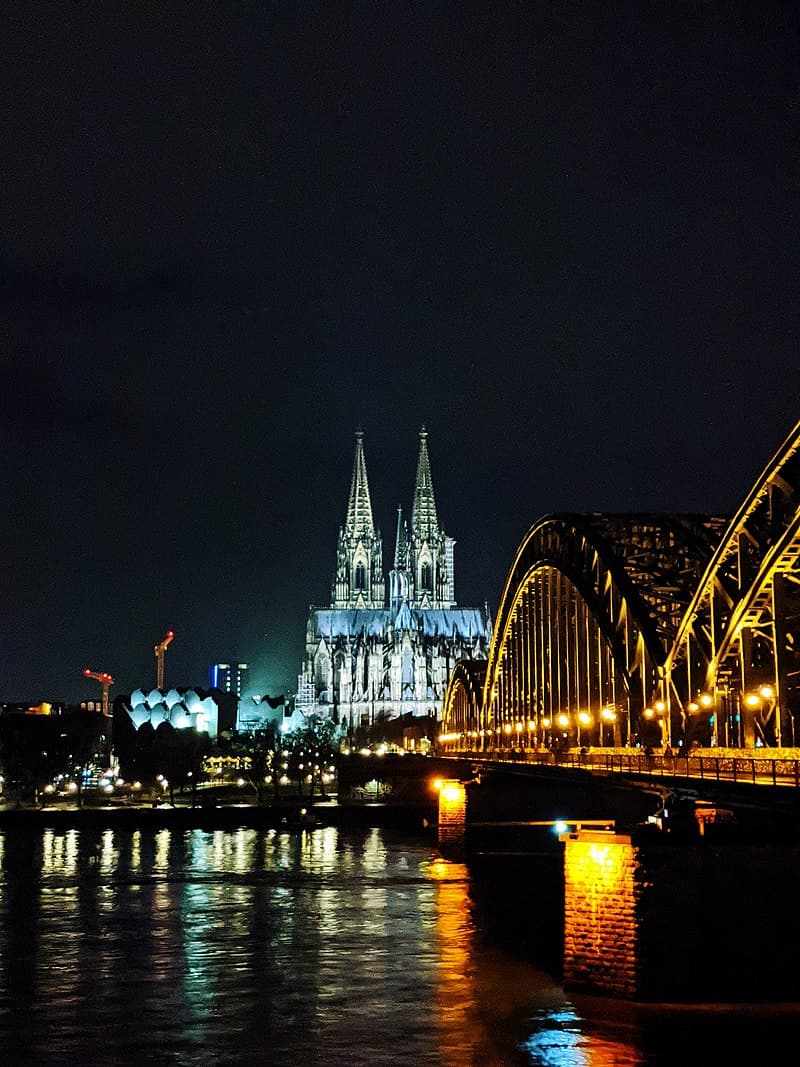
Throughout the 19th century, the Rhine was an important symbol in German nationalism. It played a major role in the formation of the German state and spawned wide-ranging cultural symbolisms, including legends, poetry, and musical metaphors. Robert Schumann discovered the
Schumann
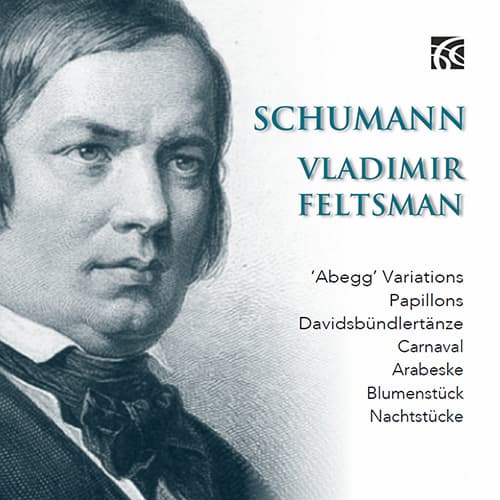
A composer’s first published works are often interesting discoveries: what did they want to publish with their name on it? How did they want to attract attention? In this new recording by Vladimir Feltsman, we get to explore the first
Carnival, the festive season that occurs in the Christian calendar before Lent, was used by Robert Schumann (1810-1856) as the inspiration for his work Carnaval, Op. 9, written in 1834 and 1835. In 21 short pieces, Schumann created a world
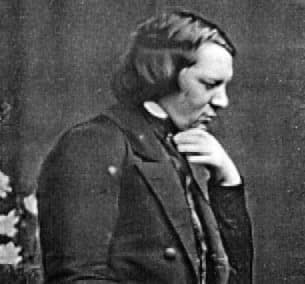
On 24 October 1850, Robert Schumann took up his post as municipal music director in Düsseldorf. Although he complained about the amount of work and the occasional squabble with the administration, he felt happy and content. After roughly 2 years,
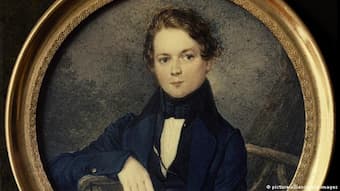
The leading exponent of musical Romanticism, Robert Schumann was born in Zwickau, Saxony, on 8 June 1810. He was the fifth and last child of August Schumann and Johanna Christiana Schumann (née Schnabel). August Schumann was a book dealer, and
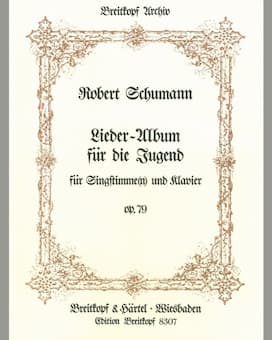
For the 7th birthday of his daughter Marie, Robert Schumann compiled a short album of “Little Piano Pieces.” Once he had gotten that process started, Schumann kept adding miniatures to the collection. His wife Clara Schumann wrote in her diary,
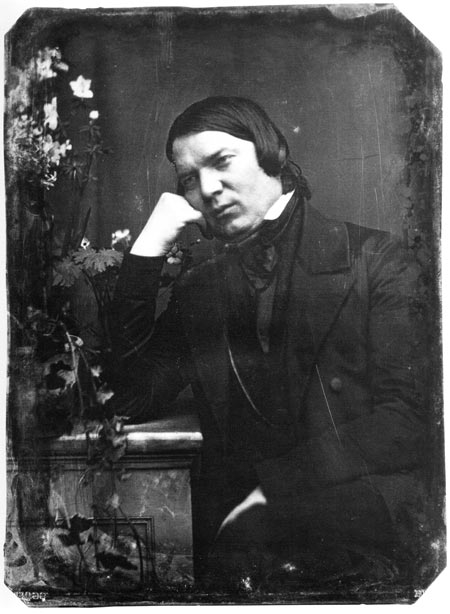
Robert Schumann was a progressive critic and editor of the influential music periodical Neue Zeitschrift für Musik, which he had founded in 1834. He populated the pages of his journal with a cast of characters called the “Davidsbündler” (League of
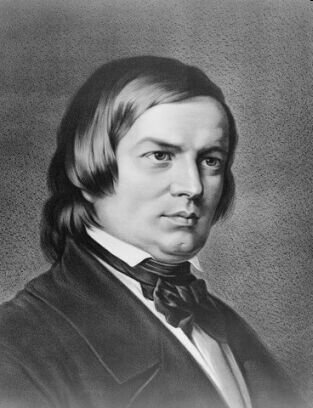
Robert Schumann (1810-1856) was a seminal figure in 19th-century musical and critical thought. He was a visionary composer and seasoned journalist, a cultured man of letters and a musical genius who eventually succumbed to mental illness. An individual of incredible