
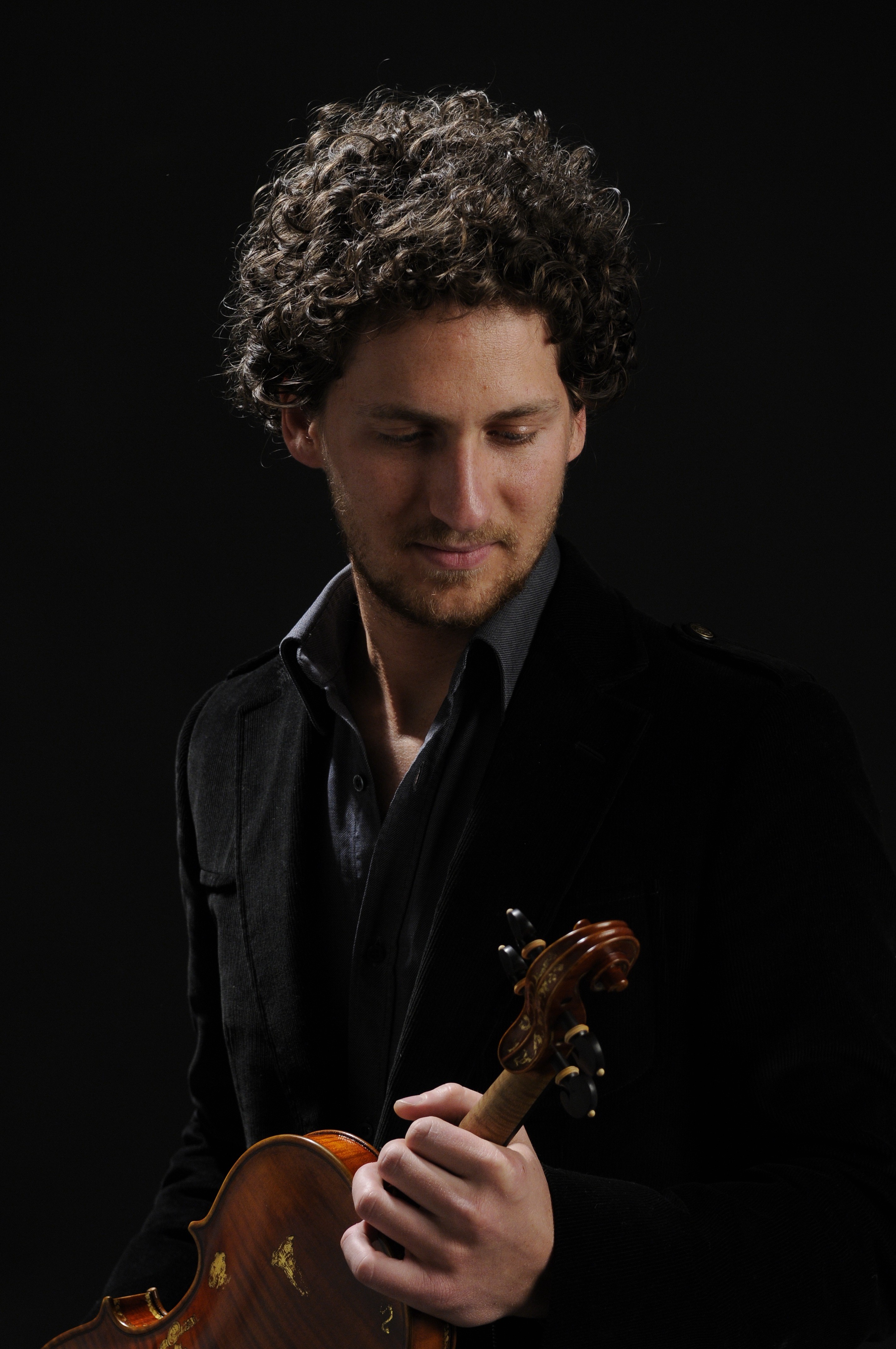
We spoke recently with Florentine luthier Lapo Vettori, a third-generation string instrument maker. The Vettori family began instrument making in 1935 and continues today, making violins, violas (Lapo’s specialty) and violoncellos. Over the past 80-some years, the family has made
Articles
The life of the pianist is, by necessity, solitary. For many of us, the solitude is not an issue: we crave a sense of apartness to enable us to do our work and to create special connections with audiences when
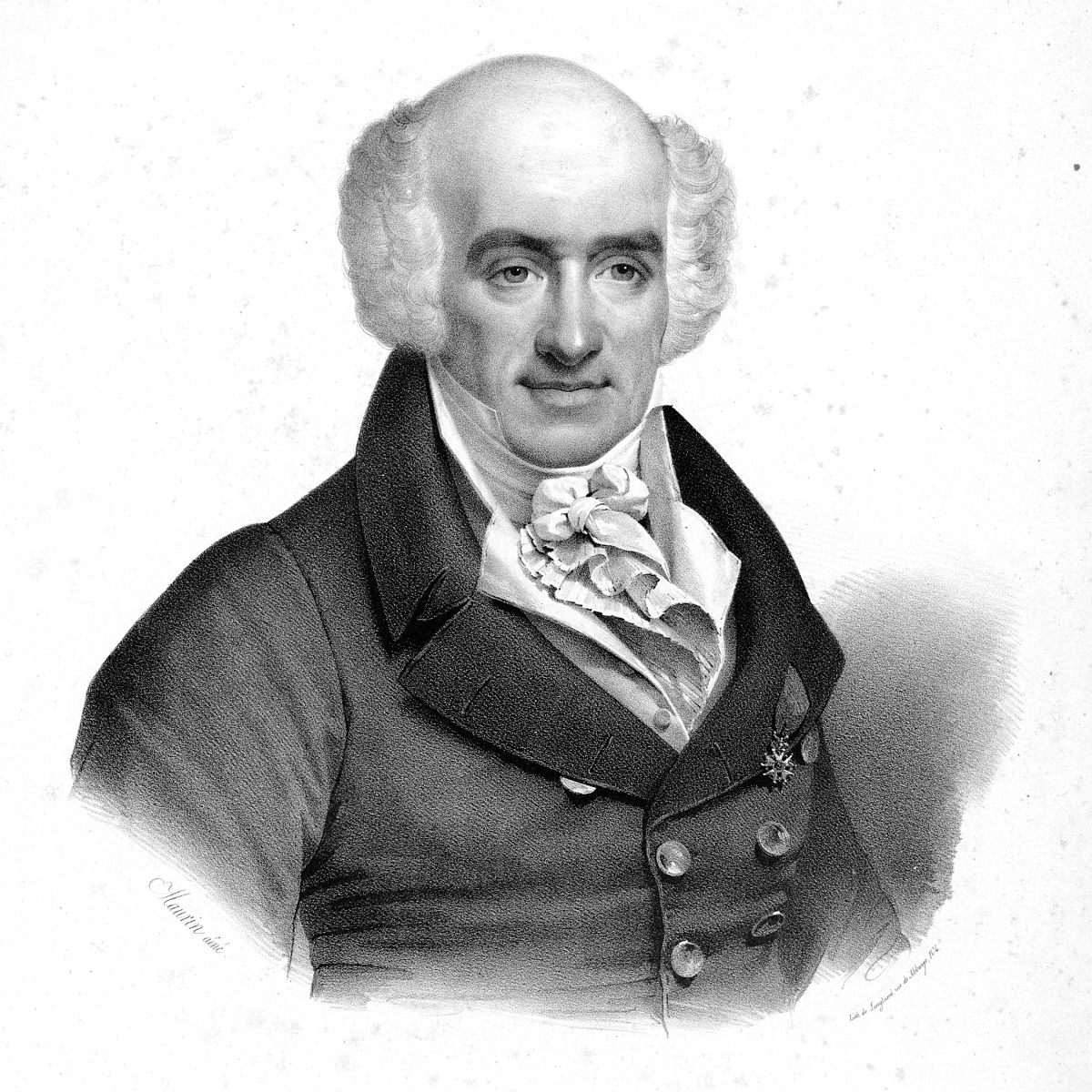
By 1918, the century-old Franco-Belgian traditions of violin and organ studies, developed at the Paris Conservatoire, had undergone modifications that helped consolidate their tenets, empower their disciples, and spread their influence worldwide, to this day.
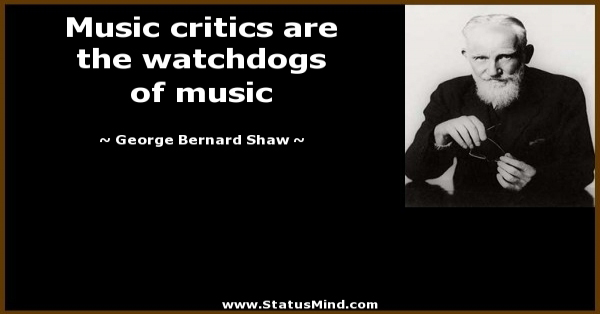
On reading concert reviews What do you do when you read a concert review that you disagree with? Do you bristle with ripe indignation because the reviewer did not concur with your view of the concert and then fire off
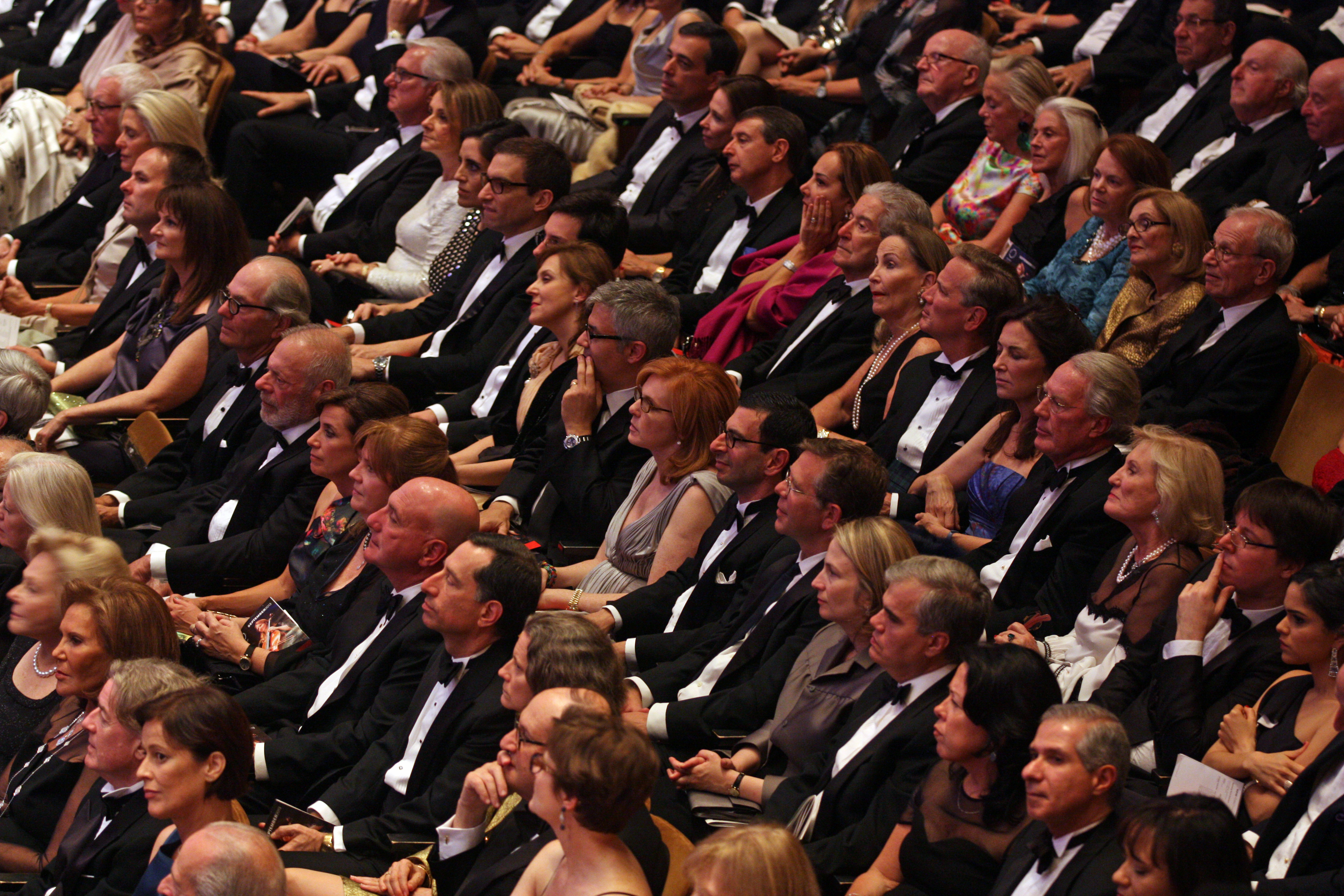
A concert is an occasion, an event, and as such has its own special etiquette and “rules of engagement”. As the audience we have certain responsibilities, including arriving on time, sitting quietly during the performance, showing our appreciation for the
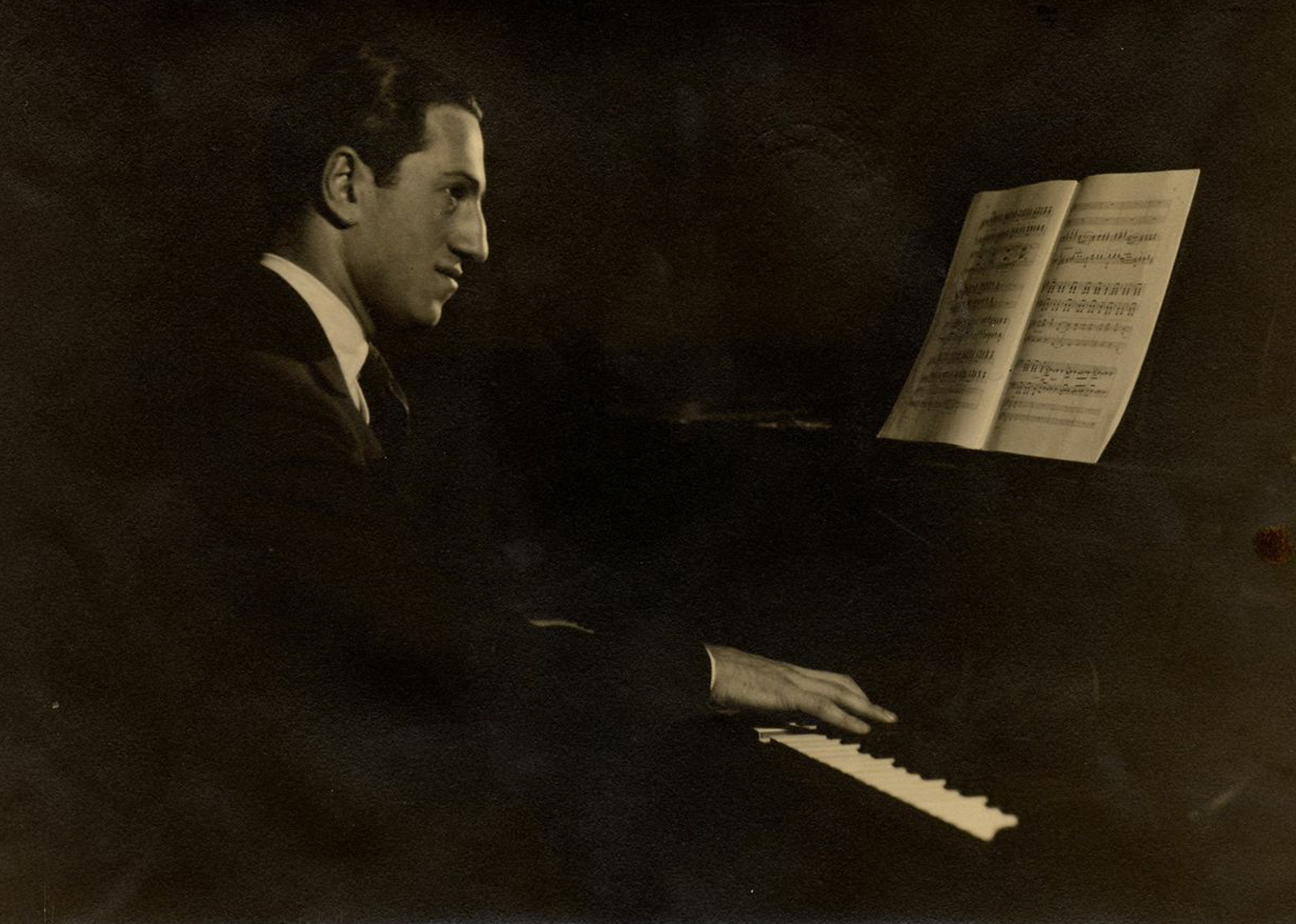
There is a great tradition of prelude writing which stretches back to J S Bach, and beyond to the Renaissance, when musicians would use an improvisatory Praeludium (Prelude) as an opportunity to warm up fingers and check the instrument’s tuning
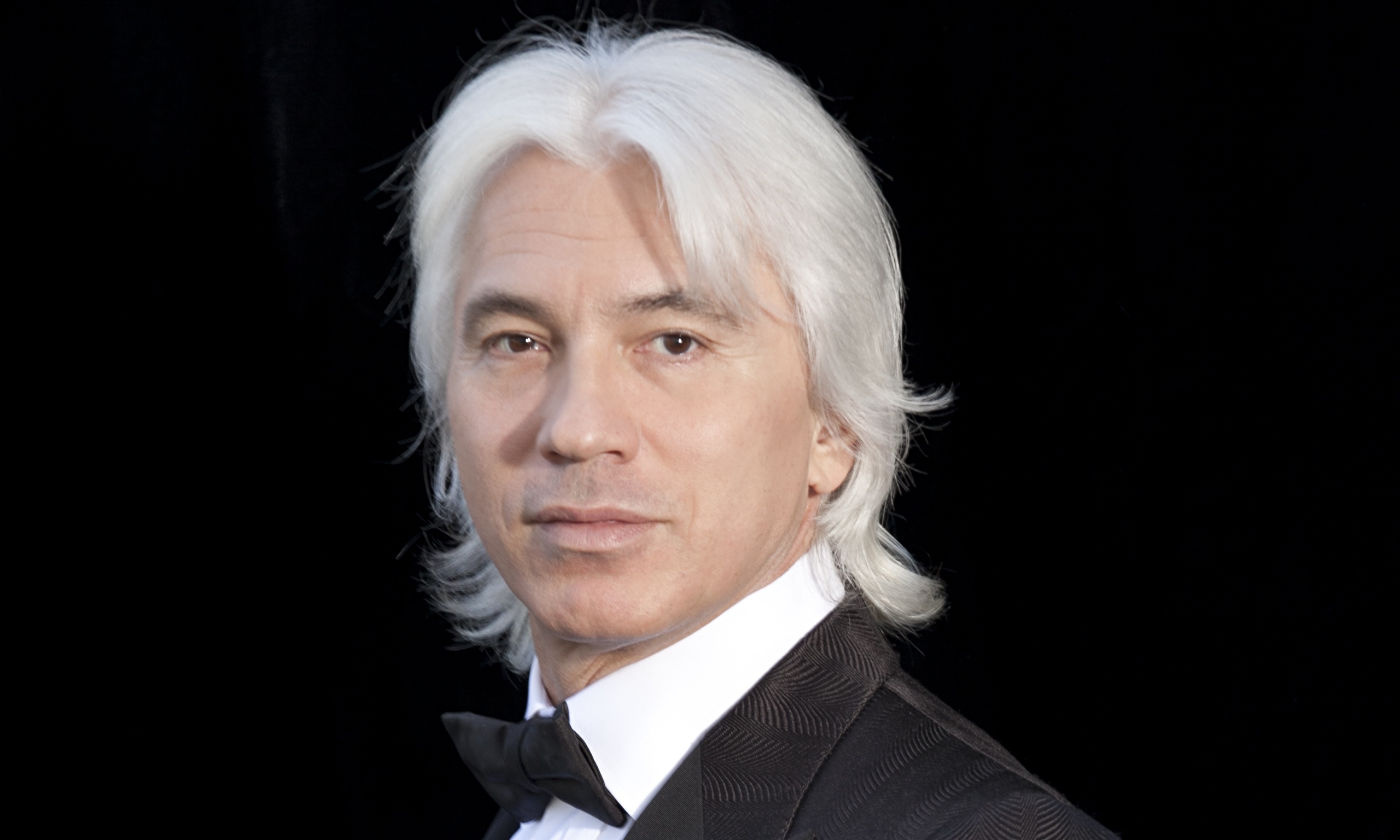
Affectionately known as “Dima” to his family and closest friends, Dmitri Hvorostovsky commanded the operatic stage with his smoldering good looks and one of the most distinctive voices of his time. His velvety yet dark-grained baritone timbre, seamless legato and
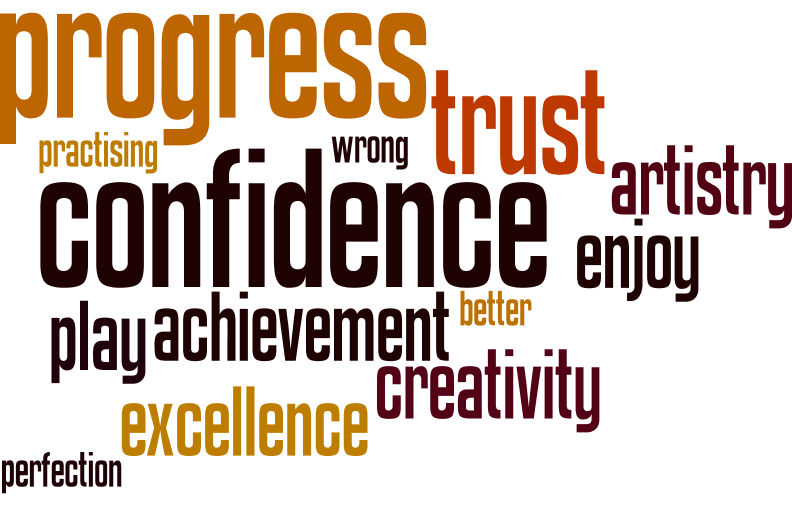
The way we interact with students, and the language we use with which to communicate with them, can have a profound effect on how our students react to our teaching and their own attitude to music making. Young people in